20 Years of Freeva – Listening, Responding and Creating Safer Futures
Freeva marks 20 years of supporting people affected by domestic abuse, rape and sexual violence across Leicester, Leicestershire and Rutland.

Freeva marks 20 years of supporting people affected by domestic abuse, rape and sexual violence across Leicester, Leicestershire and Rutland.

At Freeva, we believe it is vital to listen, reflect, and learn from the work we do with children, young people, and families. We are proud to share the findings from our latest independent evaluation of The YP Project, which provides a clear and transparent assessment of the project’s delivery, outcomes, and impact for young people and their parents and carers

November 25th marks the beginning of the 16 Days of Activism Against Gender-Based Violence (GBV), a global campaign that brings together individuals, organisations, and governments to demand an end to violence against women and girls. At Freeva, we are proud to be part of this crucial movement, amplifying calls for change, raising awareness, and advocating for systemic action to combat gender-based violence.
As we mark Trustee Week, we are taking a moment to recognise their insight, commitment and heart. Trustees often work quietly in the background, yet their decisions shape the services, culture and direction of Freeva. They offer guidance, expertise and care in ensuring that anyone affected by domestic or sexual abuse receives safe, compassionate and skilled support.
October marks Domestic Abuse Awareness Month, a time to raise our voices, share knowledge, and remind every survivor that they are not alone. This year, at Freeva, we are focusing on the theme From Surviving to Thriving.

This October, 18 amazing runners are lacing up their trainers to take on Run Leicester 2025 in support of Freeva. Every mile they cover is

To be recognised as a finalist for Charity of the Year is a humbling reminder of the impact that can be achieved when communities, volunteers, staff, and partners work together. And to see Denis Walsh as a finalist at the VAL Awards reflects the dedication of those who stand with us in this mission.

When abusive behaviour starts to affect your partner and children, it can be difficult to know how to break the cycle. This blog explores the impact of abuse on loved ones and offers guidance on how to begin making positive changes.

On Friday 16th May 2025, a team of incredible, brave colleagues will be facing their fears and jumping out of a plane at 8,000 feet – all to raise vital funds for Freeva!

We’re proud to announce that Freeva has achieved Helpline Standards Accreditation, recognising our continued dedication to providing compassionate and high-quality support for survivors of domestic abuse and sexual violence.
Achieving Helpline Accreditation is a significant milestone for Freeva, reflecting the high standards we maintain in service delivery. It recognises the hard work of our team and affirms our commitment to providing reliable, compassionate, and high-quality support.

Child-on-parent abuse can leave parents feeling isolated, ashamed, and powerless. Despite the stigma, seeking help is a vital first step. Freeva is here to provide support and guidance, ensuring no parent faces this journey alone.

When facing child-on-parent abuse, it is common to become overwhelmed in the moment and not know how to diffuse the situation. This blog outlines some de-escalation techniques to help you calmly navigate these difficult situations.
November 25th marks the beginning of the 16 Days of Activism Against Gender-Based Violence (GBV), a global campaign that brings together individuals, organisations, and governments to demand an end to violence against women and girls. At Freeva, we are proud to be part of this crucial movement, amplifying calls for change, raising awareness, and advocating for systemic action to combat gender-based violence.

In the blog, we cover how HR professionals can support colleagues who report experiencing domestic abuse, including how to effectively support a victim or survivor of domestic violence, as well as information about our tailored training programs.

Learn how to effectively respond when a student discloses witnessing domestic violence at home. Our 3-step rule – Listen, Validate, Act – guides you through these sensitive conversations, ensuring children’s safety and well-being.
Domestic abuse is a deeply isolating experience. Those who endure it often carry the weight of their trauma in silence, hidden behind smiles and quiet demeanour. This silence is not a choice but a survival mechanism, a way to navigate a world that may not understand the depths of their suffering.

Identifying signs of abuse in men can be challenging. Here are some signs to look out for if you are concerned that someone you know may be experiencing domestic abuse.

Tom grew concerned about his best friend, Alex, after he didn’t show up for his birthday party and distanced himself from all his friends. Find out how Tom saved Alex from an abusive relationship with the help and support of Freeva.
The Domestic Violence Disclosure Scheme, also known as Clare’s Law, allows any member of the public to ask the police if their partner or former partner may pose a risk to them.
Domestic violence casts a long and dark shadow not only over its immediate victims but also over the most vulnerable members of our society – children.
Children who witness domestic violence face a multitude of challenges that can impact their emotional, social, and psychological development. Find out more and how you help in this article.
We know building healthy relationships after abuse can be a challenge, so we’ve put together a guide to help empower you to foster safe and supportive connections.
We’ve put together a guide full of practical things you can do to help you process your feelings, and reclaim your emotional wellbeing during your recovery.

The trauma of experiencing domestic abuse can make self-care feel challenging. Self-care can come in many different forms, including physical and emotional. We’ve put together some practical tips for practicing self-care in your everyday life.
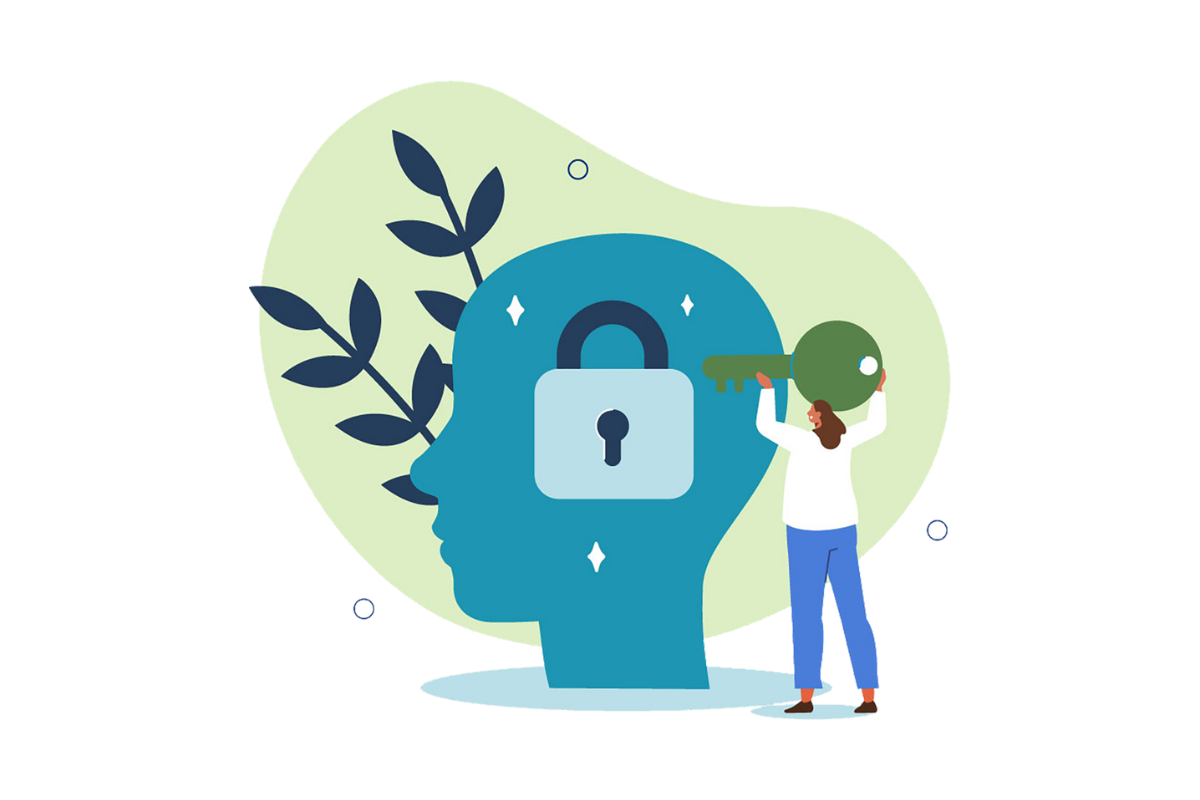
A big part of healing and your journey to recovery is having longer term plans in place, whether it’s rebuilding your personal boundaries, or growing your own support network.

Not sure what domestic abuse is? In this article, we answer the frequently asked questions and give you signs to look out for in your relationship, as well as how and where to find support if you need it.
In this article, we provide clear and detailed insights into what constitutes as sexual abuse, as well as offering you a guide to recognising key signs and addressing common concerns.
Out of all the forms of domestic violence, emotional abuse is the most difficult one to spot. Find out what to look out for.